Organizing Volunteer Events for Community Engagement
Volunteer events can significantly enhance community engagement, fostering connections among residents while addressing local needs. This article explores practical steps to effectively organize such events, ensuring they resonate with participants and serve the community well.
Understanding the Importance of Volunteer Events
According to research, volunteering has a profound impact on communities, often leading to stronger social ties. Experts suggest that community-driven initiatives can help reduce social isolation and improve overall well-being among residents. By organizing volunteer events, you not only address specific community needs but also create a sense of belonging and camaraderie among participants.
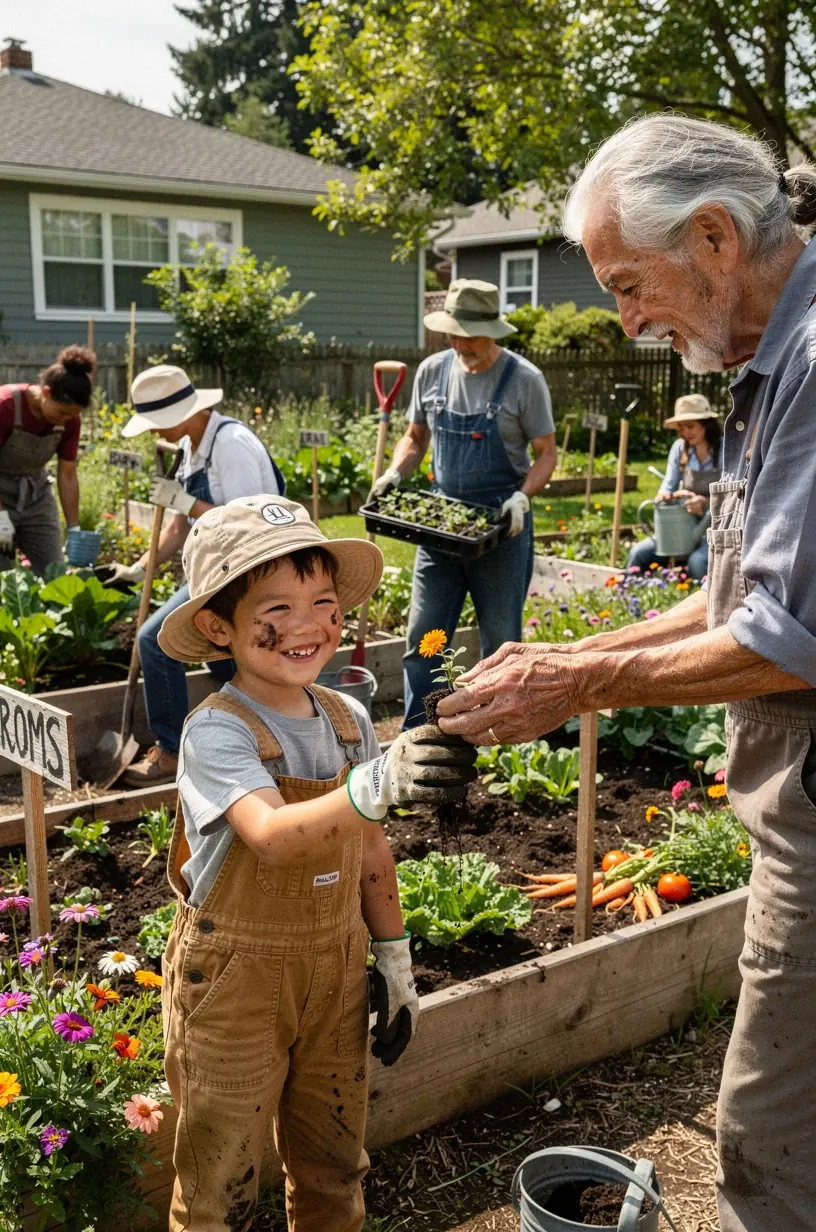
"Engagement through volunteering not only benefits the community but enriches the lives of those who volunteer." - Community Development Expert
Steps to Organize Effective Volunteer Events
When planning a volunteer event, consider the following steps:
- Identify Community Needs: Start by assessing the needs of your community. This could involve surveys or discussions with local organizations to ensure the event addresses genuine concerns.
- Set Clear Objectives: Establish what you hope to achieve. This may include specific goals, such as the number of participants or the amount of resources collected. Industry experts recommend setting measurable objectives to gauge the event's success.
- Choose a Suitable Date and Venue: Selecting an appropriate date and location is crucial. Ensure the venue can accommodate the expected number of participants and is accessible to all community members.
Engaging the Community
Once the event is organized, engaging the community is vital to its success. Here are some strategies:
- Create Awareness: Utilize social media, local newspapers, and community bulletin boards to promote the event. Studies show that word-of-mouth is also effective; encourage participants to invite friends and family.
- Provide Incentives: Consider offering incentives like refreshments or small giveaways to encourage participation. Many users report that tangible rewards can boost turnout.
- Foster a Welcoming Environment: On the day of the event, create a welcoming atmosphere. Experts recommend having volunteers assigned to greet participants and guide them through the event activities.
Challenges to Anticipate
It's important to acknowledge potential challenges in organizing volunteer events:
- Time Commitment: Organizing a successful event typically takes 2-4 weeks for planning, requiring consistent effort and collaboration with local organizations.
- Volunteer Engagement: Maintaining participant interest can be challenging. It’s necessary to keep communication open and foster excitement about the event throughout the planning phase.
- Resource Management: Securing necessary resources, such as supplies or funding, may require additional outreach. Research indicates that effective resource management can significantly improve the event's impact.
Conclusion
Organizing volunteer events is a rewarding endeavor that benefits both the community and the volunteers involved. By following the outlined steps and anticipating potential challenges, you can create impactful experiences that foster community engagement. Remember that while results may vary, the effort invested in such initiatives often leads to long-lasting positive outcomes for everyone involved.
Learn More