Navigating Group Dynamics in Travel and Events
Planning group trips or events can be both an exciting and daunting experience. Understanding group dynamics is essential for ensuring a positive and enjoyable experience for everyone involved. This article explores how to effectively navigate these dynamics while engaging in weekend lifestyle clubs that combine short trips, events, and community interaction.
Understanding Group Dynamics
Group dynamics refers to the social and psychological processes that occur when individuals come together as a group. According to research by the American Psychological Association, understanding these dynamics can significantly improve team interactions and overall group satisfaction. Factors such as roles, communication styles, and individual personalities play a crucial part in shaping the group experience.
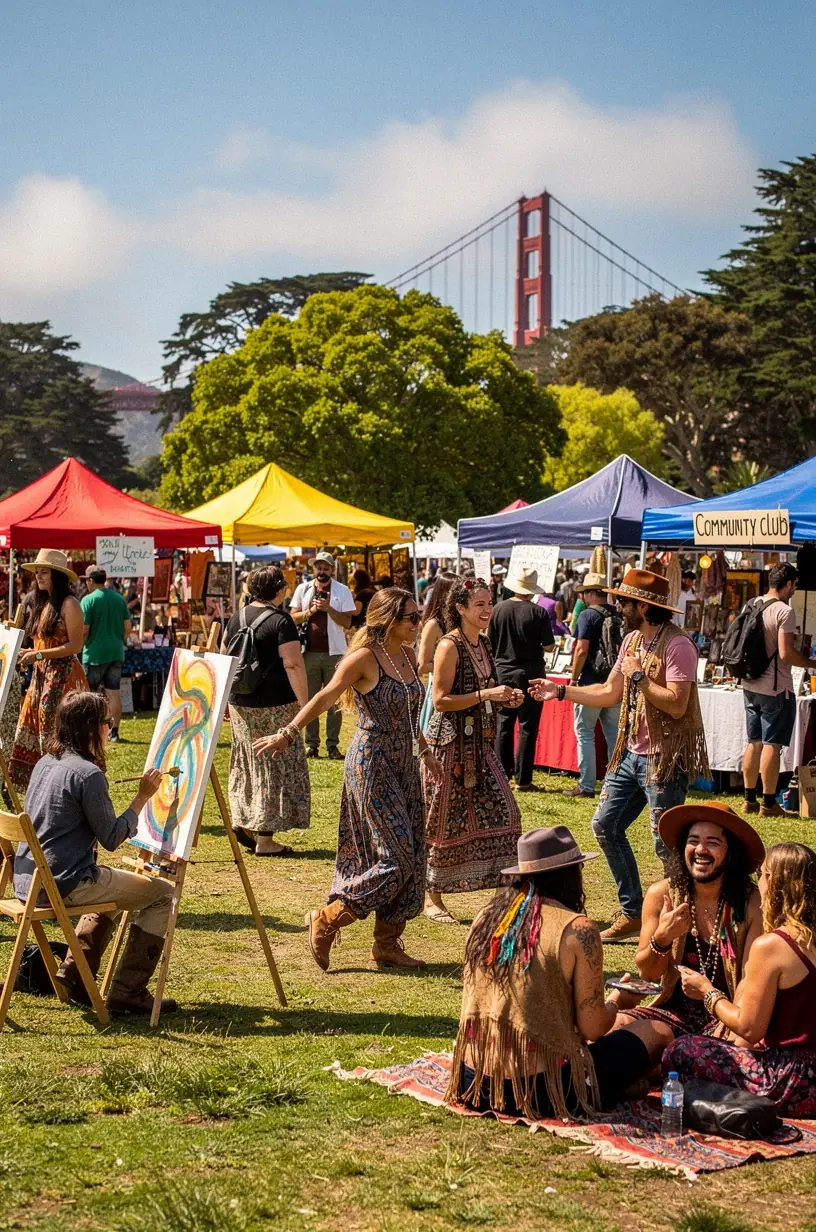
"Effective group dynamics can lead to increased cooperation and collaboration, ultimately enhancing the experience of group travel and events."
Key Elements of Successful Group Interaction
Many users report that successful group trips and events share several key elements. Here are some factors to consider:
- Clear Communication: Establishing open lines of communication helps to address misunderstandings early. Studies suggest that teams with effective communication are 25% more productive.
- Defined Roles: Assigning roles based on individual strengths can streamline group activities. Experts recommend identifying these roles before the trip to ensure everyone knows their responsibilities.
- Flexibility: While planning is essential, being adaptable to changes is equally important. According to travel experts, flexibility can enhance group cohesion and satisfaction.
Strategies for Managing Conflicts
In any group setting, conflicts may arise. Incorporating strategies for conflict management can improve everyone’s experience:
- Active Listening: Encouraging members to express their concerns openly can help diffuse tension. Listening actively can lead to better understanding and resolution.
- Setting Ground Rules: Before embarking on a trip, establishing ground rules can mitigate potential conflicts. Research shows that groups with established norms tend to function more smoothly.
- Encouraging Empathy: Promoting an environment of understanding can reduce friction. When group members recognize each other's perspectives, cooperation tends to increase.
Conclusion
Navigating group dynamics in travel and events is a multifaceted process that requires attention to communication, roles, and flexibility. By understanding and implementing these strategies, participants can enhance their experiences in weekend lifestyle clubs. Remember, while effective group dynamics often lead to enjoyable experiences, results may vary based on individual engagement and commitment. Investing time in learning about group interactions can provide long-term benefits for future events and trips.